From $1M in Debt and Food Stamps to Financial Freedom | Chris Miles
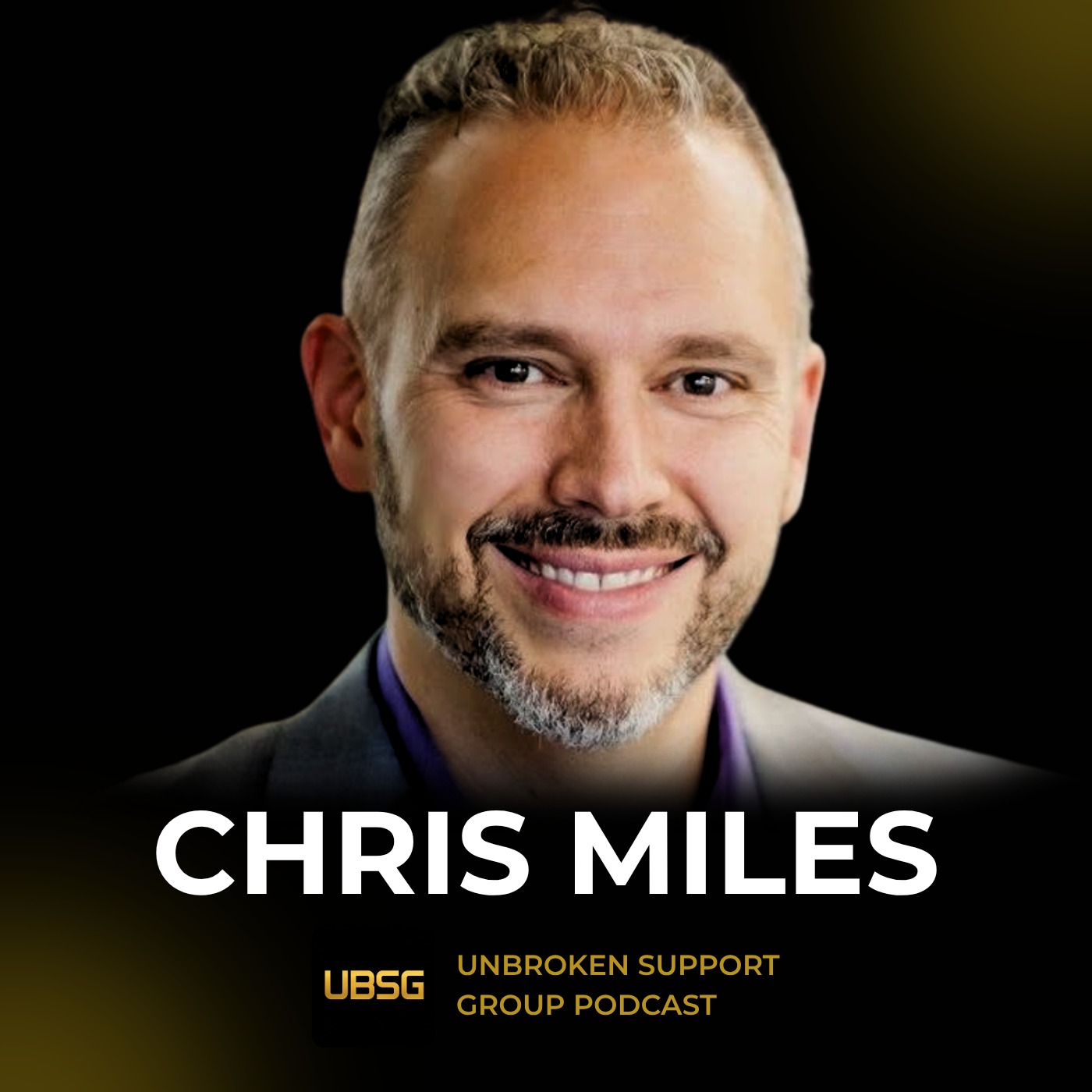
What do you do when life keeps testing how much you want it? In this episode, Michael Anthony talks with his friend Chris Miles, founder of Money Ripples. Chris has built wealth, lost it, and rebuilt it... (See show notes below)

 Apple Podcasts
 Spotify
 YouTube
 Overcast
 Castro
 RSS Feed
 Amazon Music
 Goodpods
 What do you do when life keeps testing how much you want it? In this episode, Michael Anthony talks with his friend Chris Miles, founder of Money Ripples. Chris has built wealth, lost it, and rebuilt it more than once. He went from picking up loose change at drive-thrus at 3 a.m. to reaching financial freedom by age 28. Then the 2008 crash left him more than $1 million in debt and on food stamps, and he lost his home in 2009. A year later, the company he helped pull back from the edge of bankruptcy did over $5 million in coaching sales.
Chris talks about the mindset, habits and faith that carried him through those lows. He also explains why some of his best ideas came during the hardest times, and why he sees money as "the magnifier of the soul."
In this episode, you'll learn:
- How a shy, socially anxious kid chose entrepreneurship over a "cookie cutter" life
- Leaving a job with six-minute bathroom breaks to work 100% on commission
- "Commission breath": how desperation pushes clients away
- The cold November night he spent three hours collecting $4 in change
- His car being repossessed, and working smile-and-dial sales at Ancestry.com
- Why his father, who "did everything right," still couldn't retire
- Moving from a scarcity mindset to an abundance mindset
- "Dollars follow value": becoming someone who solves problems
- Buying a Mercedes and a show home to hide his insecurities
- Losing everything in the 2008 recession, and the imposter syndrome that came with it
- Creating the Cash Flow Index debt payoff strategy at his lowest point
- His August 2009 moment of surrender, and the turnaround that followed
- Michael's own story: a Fortune 10 job at 20, a repossessed Cadillac, and being $50K in debt at 29
- How Chris retired twice by age 39
Chris Miles is a Cash Flow Expert and founder of Money Ripples who helps high-income earners achieve financial freedom through passive income. He has retired twice before 40 and helped clients create over $300 million in cash flow and long-term passive income. Chris is also the author of Work Optional Blueprint and host of the Money Ripples Podcast.
Connect with Chris Miles:
- Website: https://moneyripples.com/
· Instagram: https://www.instagram.com/moneyripples/
- TikTok: https://www.tiktok.com/@moneyripples
- Facebook: https://www.facebook.com/moneyripples
- Podcast: https://podcasts.apple.com/us/podcast/money-ripples-podcast/id895555599
- X: https://podcasts.apple.com/us/podcast/money-ripples-podcast/id895555599
- Youtube: https://www.youtube.com/@moneyrippleswithchrismiles
· Linkedin: https://www.linkedin.com/in/chriscmiles/?isSelfProfile=false
Subscribe for more conversations about childhood trauma, entrepreneurship, healing, mental health, personal growth, and becoming the best version of yourself.
Advertising Inquiries: https://redcircle.com/brands
Privacy & Opt-Out: https://redcircle.com/privacy
Support the Podcast: Become a listed sponsor!
Follow me on Instagram @MichaelUnbroken
Learn more about coaching at https://coaching.thinkunbroken.com
Get your FREE copy of my #1 Best-Selling Book Think Unbroken: https://book.thinkunbroken.com/
Advertising Inquiries: https://redcircle.com/brands
Privacy & Opt-Out: https://redcircle.com/privacy

Support the Podcast: Become a listed sponsor!
Follow me on Instagram @MichaelUnbroken
Learn more about coaching at https://coaching.thinkunbroken.com
Get your FREE copy of my #1 Best-Selling Book Think Unbroken: https://book.thinkunbroken.com/
Michael: Everybody thinks that they want financial freedom. They think that what they want is an amazing career and the journey into entrepreneurship and they want to go and have the fame and the fortune and all the things come with it. But what do you do when the world tests how much you actually want it over and over and over again? In those moments where you have to pick yourself up out of the dirt one more time because the offer didn't land. Or there's a recession or the next big bust happens, and you're sitting and looking at your life and you're like, well, what is next? There is no better personification of that, in my opinion, than today's guest, my great friend Chris Miles. And we're gonna go and dive in and talk about this journey of how you actually continue to build and rebuild, to pull yourself out of bankruptcy and debt and losing everything and yet not giving up on yourself and what that means for your mindset, your head set, and your heart set. That said, Chris, my friend, welcome to the show.
Chris Miles: Hey, thanks for having me, Michael.
Michael: Super excited, man. First and foremost, for those who are listening and they're they heard what I just said, why should they actually listen to our conversation today? What are they going to walk away with?
Chris Miles: Yeah. Whether you're in business or not, if you've ever gone through any kind of struggle or maybe feel like you're in a struggle right now, then you'll probably want to listen up because there's if you've learned anything from life is that entrepreneurship is definitely not a straight up angle. It's not just all peaks. There's peaks and valleys. And the biggest determination of success is how do you get through those valleys. And so I'm excited to talk about that today.
Michael: Before we get there, how did you become an entrepreneur? What was the journey that led you to being like, I'm gonna take the biggest risk that a human in modern time could it to me, Chris, it's like the equivalent of fighting a war, right? Now, of course, we know that people actually go out and they fight wars, and we've had many amazing military veterans on this show over the years. But I do think for us common civilians, people like me who did not walk the military path. You're effectively going out and it's a killer be killed kind of situation every single day and it never stops. Where did that drive come from? Where's that part of you that's like, you know what? I'm gonna see what I'm actually made of. Because I think so many people, they have it, it's an idea, and then they don't take that first step.
Chris Miles: Yeah, you wouldn't think that I would have taken that step considering that as a kid I had major social anxiety. Yeah, I had friends, but I was not somebody who would speak a lot or do anything. I heck I'd hide from the camera, and I claimed that the FBI was after me, even when I was seven years old or something like that. I was just a weird kid, I was a nerdy kid basically. And but, for me, I guess was the overall result is that I didn't want to live an ordinary life. That's really what it comes down to. I wanted to control my own destiny, my time, my freedom, my money, all that kind stuff. And it's probably because I watched my parents. My dad was very much the, get the secure job, work there for 40 years, even though they wouldn't be faithful to him for 40 years. He got laid off a few times in his career, and had to get a different job. And so I was very blessed and fortunate that way. My mom on the opposite extreme. So my dad was very logical, you just go to school, get good grades, get that good job. He wanted to be the first one that went to college. My mom, on the other hand, she was a starving artist, right? She was trained by the same master painter that trained Bob Ross, right? So same kind of genre of art there. And she would even joke that she would her she would her art would finally be worth a lot more once she died. So, but in the meantime, she struggled. So it was always about scarcity. There's never enough. You can't afford this. What do you think money? What do you think I am? Made of money? Money doesn't grow on trees. All those kind of things I heard growing up. And so when I went to college, my dad, though the thing he did teach me is one, is be a man of your word, right? Do what you say you're gonna do when you say you're gonna do it. And then two is he's like, well, look for the proof, right? And when I got to college, it became very apparent I didn't want to become someone who just worked at nine to five. I wanted some freedom. And the professors I respected the most, the ones that were in the private sector first. Then taught college. And so I was actually going to become a business consultant. That was my original goal. And in about time I was about to finish up my bachelor's, I said, before I just go and get an MBA, maybe I should have real life experience before I become a business consultant. I want to be like the Bobs from Office Space, but I want to make sure I actually have some real experience in the real world before just being this snot-nosed kid coming out of college telling you what to do with your business. So I dropped out, In fact, had one class to go before I got my bachelor's and I said I'll take one year hiatus sabbatical and I did. And then of course, as I did that, the first opportunity that came up was being a financial advisor. I thought, hey, worst case scenario, I learned about money as well as business. So I did that, loved it so much, being my own boss and being an entrepreneur that I actually never finished my degree. I stayed dropped out, never went back. Even though I had a three point nine GPA, I was like, Yeah, screw college. It's like I can make more in the entrepreneur world and that's what I wanted, that freedom. I wanted I didn't want any limits or caps. So I guess for me, even though I was somebody had to battle and eventually break out of my shell and learn how to talk to people and things like that. But for me, I think it was really that why, wanting that freedom. I didn't want to live the cookie cutter stamp life of work nine to, go to college, get good grades, get your job, die. That kind of stuff. I didn't want that life.
Michael: Yeah, I resonate with that a lot. When I did the corporate route for a while, I landed a job with a Fortune 10 company at 20 years old, making $150 to $200,000 a year. Like
Chris Miles: Nice.
Michael: as a child. I look at, I'm 41, I look at 20 year olds. I'm like, you're a child, right? And I had no real inclination of what to do other than that. Thing because I had no path growing up. I have no high school diploma. I'm from the hood. My parents were drug addicts. I was just like, I don't know. I'm gonna figure it out. And I remember one day I was sitting in my office, and this guy who sat next to me, we're in cubicles, 150-person sales team, ticker on the wall, dialers, the whole everything you could imagine an inside sales department would be for closing warm leads. And this guy comes back from his lunch and he's crying. I'm like, shit, what's wrong? I go, Hey man, what happened? You good? He's like, I just got written up for taking too long in the bathroom. And I'm sitting here, I'm like, We're making millions of dollars in revenue for this company. They care about this guy being three minutes late. And that night I go home and I was living with my best friend at the time. And I'm like, dude, I'm quitting. I'm done with this. I don't care. Which was crazy because I made more money than everyone I knew, by the way. And I was like, I don't care. It's not worth it. I've been passionate about this thing, becoming a professional photographer. I'm gonna go chase it. And my best friend, ex-best friend, at the time goes, I think that's a horrible idea. You will never make that much money again in your life. And I'm like, now I'm like, bro, I can make that money literally in a week sometimes. Right. What was it like for you? You got set up for this idea of the American dream, dad says this, mom says this, money doesn't grow on trees. Hey, it's risky out here. I wouldn't do this if I were you. How do you still find the balls to like that's some to capacity is out of obviously metaphorical, right? But there you gotta kind of like trust in yourself enough to be willing to fail really hard. What was it like for you in the beginning? What was kind of the trigger where you go, you what? Fuck it. I'm doing it anyway.
Chris Miles: Man, I think it was a daily decision. It was tough because
Michael: True. Yeah, I get that.
Chris Miles: I did it's funny you mentioned the bathroom break thing because I literally while I was doing financial advising as a side hustle, I was because it was a hundred percent commission only. There's no base pay. So I also had a job where I was making about eleven dollars an hour customer service on the phones. Ironically, we actually had six minute total bathroom breaks. If you did more than that, you got written up, for the day. You had normal breaks
Michael: How crazy.
Chris Miles: and lunches, right? But if you had separate bathroom breaks, that only had six minutes and don't go over that. So I did that job for five years. And then eventually I became a financial advisor and I was doing that on the side, kind of really just really working from eight AM to sometimes past nine o'clock at night. And it was good. It was great to do them both at the same time, but I hated that dissonance of working a job while trying to follow my dream of becoming an entrepreneur.
Michael: Can't do both.
Chris Miles: And finally, after a few years, I looked at my book of business. I said, you know what? I make $13,000 a year working 30 hours a week at this one job, but I've got $18,000 of business potentially about to close here in the next month or so in my advising business. I was like, Well, why am I still here? So I put in my resignation in that company. And I was for the first week or so I was on cloud nine. I was loving it. I was so excited, because I was free. I could actually show up to the meetings in the middle of the day now and things like that. And then all of a sudden, after that euphoria of about a week or two, then I realized, crap, I'm now a hundred percent commission only. If I don't make money and I have a brand new newborn at home and stuff, my wife wasn't working anymore, it was all on me. And that pressure was crippling. And that scarcity, not knowing what scarcity was at the time, I never knew the difference between scarcity and abundance, but that scarcity was creeping in. It actually got me to the point where people clients would say, they're like, I felt good about it before, but I'm just not feeling it right now. I just don't know if this is the right decision. Which of course just adds more pressure on me, right? Because I'm like, no, you're supposed to do this. My family needs you to do this.
Michael: But desperation starts to show up.
Chris Miles: That's right. That commission breath, right? As I like call or business breath, depending on what kind of business you're in. And the more desperate,
Michael: Commission breath. I've never heard that.
Chris Miles: the more scarce you go into, the more business breath you have. And it actually can work against you. It actually can drive people away energetically. It's when you don't need the money. That's when people always want to do business with you. And so it was interesting, just a few months later, I knew I hit a low point when it was actually like on a cold November middle of the night. I was thinking, okay, I'm out of money. People make money while they sleep. Maybe I should make money when people sleep. Cause I didn't want to go back to that job again because my pride wouldn't let me do it. And so I'm like, well, maybe I should set my alarm for midnight, wake up, because you know where I find money? People drop change all the time in drive-thrus. So I should go through drive-thru windows and start picking up change. And so it was 25 degrees outside. And I hit every drive-thru within about a five mile radius. And, I was pretty excited. There was a sandwich shop that had 75 cents. I found I was pretty excited about that little. Strike it rich type of gold rush there. Went to bank drive-throughs. I found out Wendy's was open until 2 a.m. So I was ducking under the window so they wouldn't see me as I was trying to do that. And I get home at 3 a.m. And I count out on my change and I had four dollars. And it hit me hard. I realized like, you what? And it was so bad. It was so cold. I was digging the tar, the nail was peeling back from the skin. It was that kind of thing. And I'm back sore and tired, and I'm thinking, man. I made like a dollar an hour. Napoleon Dynamite says. And I was like, I could have made more money working in that drive-thru window in an hour than I did in three hours trying to pick up change. And I knew that was kind of a low for me. And so I ended up getting another job that was, just doing customer service just at a different place. And I'll tell you, it was although when I got the job, I started to make more money again. Again, not seeing the correlation that when I relaxed a little bit, when I had money coming in, then I would make more money in my business. For me, the thing is I was having nightmares about that job. It was smile and dial. It was outbound calls. It wasn't customer service. I was doing outbound to try to make more money. And it was horrible.
Michael: Cold outbound.
Chris Miles: Yeah, totally actually it wasn't even fully cold. They were people that already had bought the services, but we were calling it to renew for another year and even trying to upsell, right, to try to get them to add other services and stuff. I was actually a genealogy company. If you ever heard of Ancestry.com, they do
Michael: Yeah, of course.
Chris Miles: Yeah. So I actually work for them. And I would I and the thing is I would actually do what they call is so bad. They call it PILF. Instead of MIF, it's PILF. People I'm looking for. And so I would try to help
Michael: Okay.
Chris Miles: people with the research. Hey, I bet you I can help you through your genealogy roadblocks. I'd be Yeah, using these services. There, I found it. Add the subscription. So I was one the top upsellers, but I wasn't the top. It was based on a curve, how they paid our wages. I was on the bottom end of the curve because I would spend
Michael: I hate that.
Chris Miles: so much time helping people. And most people would say yes. So I'd convert more people, but because I spent so much time versus the guys like you in or not, next, next, and next,
Michael: Yeah.
Chris Miles: they're just dialing like crazy, they would get paid like 22 bucks an hour. I would get paid below the 13 minute midpoint, around 11 bucks an. And it was so frustrating. I had my car repossessed then. I lost my car, didn't know it, but it had a car port, so it was gone. I ended up having to borrow my neighbor's car. It's like this Chevy laser from the 80s with the roof caving in on me and stuff. And it was I would have nightmares of my job, dialing and dialing. And then I would the alarm would go off and I would be relieved that it was a dream, only to realize that was my alarm to wake up for that job at 6 a.m. And so it was tough. But
Michael: Ugh, that's brutal, man. Brutal.
Chris Miles: and of course, during that time, family members were saying, We should just go back and finish your degree. Just finish your degree, get that bachelor's in sociology, like that'd get me anything, right? But, they just knew it, they're
Michael: No kidding.
Chris Miles: brainwashed, just get that degree, get that degree, and you'll be fine. And it wasn't. And not until finally I got a different opportunity that made me even more money and fit more along with what was more of my gifts. And then all of a sudden things started to take off in the financial advising business a bit more.
Michael: I want to walk that path with you a bit. But as you were saying that, the commonalities with entrepreneurs I find are disgustingly similar at times. I had a car repossessed. My dream car, by the way, I bought a 2004 Cadillac CTS, two tone
Chris Miles: Nice.
Michael: leather interior, rims. Cause dude, I was making 150,000 a year. So I buy this car, I paid all of it minus a very small amount. And it was two grand. Dude, I could have paid this off at any time. And I'm a kid. I'm being dumb. I don't know why I didn't. Fast forward, that car gets repo'd because I'm not making any money in the first business. And it was like if I would have just paid the thousand dollars instead of buying girls' drinks at the bar, I would have kept that damn car. I'd probably still have it, right? And you're like, you make all these really dumb decisions until you stop. But there's something about the that pain, I think, that is. Think it's like your tickets, your ticket of admission. When I see and hear from entrepreneurs who say, yeah, it's worked from the beginning, I'm like, you're a complete liar. I just I don't trust you. That's not true for anybody. I'm probably before Think Unbroken took off 10 years ago when I started making hundred thousand months and million dollar years and things like that. Dude, in the beginning, there were literally times I borrowed money from my girlfriend who lived with me to pay our rent. You know what I mean? Cause here's what
Chris Miles: Yeah.
Michael: I think business is actually a skills game. It is not an idea game. It is not a dream game. It is not a I think I can help people game. It is a literal skills game. But, we have to be willing to look at that. And, sometimes you get put in the right situation, right? So you're like, okay, now I'm finally in this situation where I can use my zone of genius, my gifts, but you have to be prepared for that. That I wrote it down because I thought it was I've sort of I've never heard this by the way, which is crazy to me. I've literally never heard anyone say commission breath. But that desperation that sits there is because you are not yet in that place where you're ready to do the thing. Because the moment I've learned this and it's funny because my team when I do sales calls, they're like, how do you do that? And I teach everybody in sales one tip. I go, I don't care about their money. I go, you're an adult, make a decision. What do you want to do? Cause the moment I try to force somebody, dude, I learned this doing Cutco knocking doors at 18 years old, selling stupid knives. And people would be like, You're get away from me, whatever. So, you look at this journey, you're presented with this opportunity, and then you walk this new path. What was that like? What's the transition? What are the skills that you're starting to learn that actually start to transform your life?
Chris Miles: Yeah, I'll say during this four year career path as a financial advisor, right? From 2002 to 2006, I was also a student, they were having us read books. That was the one good thing I think I really got out of that business was they were all about personal development, reading books. So, they're having me re read Rich Dad, Poor Dad, even though Rich Dad, Poor Dad literally says financial advising is crap, but I would ignore that, think that somehow I was living Rich Dad, Poor Dad's life, right? I was reading Think and Grow Rich. I read that like three times, still didn't get it, not until a little bit later. How Win Friends and Influence People was the first book I read. And that was that's a book I still recommend to my kids, even this to this day, right? So I was becoming a student, just trying to learn and adopt it. Granted, I know in hindsight, there's things I wish I would have done and people I would have been around instead. Cause I think the hardest thing I had was you tend to attract people that are most like you. And being that financial advisor office, I didn't realize I was around so much scarcity. And that was the hardest part. And maybe that's good because it made me work harder to get less results.
Michael: Did you recognize it though?
Chris Miles: I didn't recognize at the time. No, it
Michael: Yeah.
Chris Miles: wasn't until I got around a different group of people and they literally were bringing that intention out, saying, This, abundance versus scarcity. This is everything when it comes to money, business, and, even just your life in general for happiness. You need to have an abundant mindset. I had never really heard that. Even though seven habits of highly effective people talk about it, there's a little chapter on it, but nobody in my company had really gone in depth to that level of mindset. It we if we get thinking real rich, they talk about those things. I even did things like, where you write out almost like your vision statement, so to speak, and you're supposed to speak it out loud with lots of energy and emotion. So I copied one of the leaders in our company because he was making millions of dollars, I'm gonna be like him. And I remember reading, yelling out loud, I'll make I'm making $250,000 a year. And I was like, dude, I and then because my mind says, dude, he'd be barely make a couple thousand a month. Shut up. And so it's interesting that, I didn't know how to get that energy to vibrate at that right level. Cause he's right, you have to have a skill set, but you gotta have the energy to go with it to be in that space to where you set an expectation at a place where you never go back, right? Because again, I worked a job where I was making eleven dollars and sixty-nine cents an hour. I didn't know what financial prosperity was like. I took that mindset and still went into business. And therefore, my income didn't get much better than it was working on job. But now I'm it's all on me. Right. So there's and I don't know, there's a lot of different rabbit holes that can go down there. But I think overall, it wasn't until for me personally when I started to question some of the things I was teaching. For me, it actually kind of came to a head in 2005. 2005, one, I got out of that job, that smile and dial job, and I got offered to be a stock coach. And the I had a connection with a neighbor and they even told me, they flat out, they said, Listen, we know that you're not a big stock trader, you don't know all these things, but we know you have a lot of experience teaching because you've been a financial advisor for the last three years. So we'll use that and we'll train you in our system. So they train me how to become a stock trader. And then of course teach others how to trade stocks and options. And I picked up really fast. And actually was found I was pretty good at it. And not just good at that, but I found I was really good at teaching. In fact, what was crazy is even though I wasn't the most experienced trader, because I had this different perspective on it, I could teach it very simply. When it came to ratings out of 60 coaches, I was the second highest rated coach. And the only reason I wasn't first is because I didn't I just didn't take as many clients as the other guy who was hustling, taking on. Twice as many clients. So he had more review, positive reviews than I had, but percentage wise, I had the highest reviews. And of course, it paid really well. And so as a result, I relaxed. I started doing better in my financial advising business as well. So my financial advising income went up as my other income went up too. And then November that year, my dad had reached out saying, Are you gonna advise me? And remember, I told you my dad was the penny pinching saver, the post-depression era, you save everything, you don't throw anything away. This guy stuffed money is 401k. He was debt free. And I looked at his numbers. I said, Dad, you're 61 years old. If you want to retire today, you have to die in six years. And he's like, Well, that's not what I want to hear. I'm like, I know, but you did everything right. And that bothered me because I was like, Wait, this guy is the poster child of what should work. This is like Dave Ramsey's poster child. This is like Dave Ramsey before Dave Ramsey was Dave Ramsey. And look, he's still broke. He still had to work into his 70s. And it was just a month later, it's like when the student's ready, the teacher appears. Yeah, because again, now all these doubts start creeping in. A friend I called a friend of mine who I trained to be a financial advisor, but then quit to go do real estate investing. I call him up. He says, Well, Chris, how many of your clients are financially free where they don't worry about money? I said, Well, none. Even the retired ones still worry about running out of money too soon. He's like, Okay, I didn't expect you to be honest. All right, well, next. How about this, Chris? How many of you guys as financial advisors are financially free? Not off the commissions, but actually doing the investments. Now I knew he already knew the answer because he worked in that same office with a hundred other advisors, including some that have been working there since the 1970s. And I said, well, none. Maybe one guy. I found that guy wasn't either later. He wasn't financially free. He was just, yeah, as they say in Texas, all hat, no cattle, right? And so he was all ego. And so I found out, I was like, well, none of them. He's like, Well, there's your problem. And he started getting into with group that we're talking about, not just investing and real estate investing specifically, but they were talking about this abundance mindset. It's about faith, not fear, because they can't exist at the same time. It's about not having limits, about no limits, right? About changing even the way you ask questions. Again, it was taught in Rich Dad, Poor Dad, but it doesn't quite gel when you're see from a lens of scarcity. But things like instead of saying, I can't afford this, well, how can I afford this? How can I make this work? There's always an answer. There's gotta be a way. Just got to be a creative way to do it. And as I started to learn about this stuff, I started to open up possibilities and started realizing, especially when I realized, well, I can make way more money investing in real estate than I can in the stock market, even though I was a stock trader and I was a guy that sold mutual funds. I'm like, dang, like this, this is a whole other world that I'm not, I didn't know about. And these guys, man, granted, they still like any human dealt with scarcity, but they talked so different. It was just all about possibility, right? They would even address, here's the risk factors, but here's how to eliminate that to lower your risk so you can have massive amounts of possibility and returns or whatever, right? And I was like, dang, this is different than what I would taught. No, different than I was raised, different than even the financial advisors were, because that just supported the CRC mentality too. And I was like, this is way better. And what ended up happening is. I quit my business. I eventually just quit being a financial advisor in March of 2006. I'll never teach about money again. That's what I said. I'll just be a mortgage broker and I'll teach ballroom dancing on the side because I was one of the nation's top amateur ballroom dancers in the early 2000s. And I was going to do that. And but again, I wanted to learn how these guys knew. I wanted to really I started to really adopt it and integrate in my life and it started to affect everything. My income went up on the stock coaching side because I kept doing that. But then eventually, I started making more money. With real estate and things of that nature. And then I started to look at more possibilities. I got my first Mercedes right after my oldest daughter was born, my first daughter, right? And it wasn't like I had tons of money, but I was like, I bet you can make this work. And I got really creative. I'm like, okay, I got enough income coming in. I need the credit. Dad, I'm gonna borrow your credit and do this. By the dad, I need to bump up my credit score a few about a few points. So put me on as an authorized user on a credit card, but then but don't send the card to me. You can shred it. I don't need it. I just want to borrow your credit history. Then boom, my score jumps up 23 points in one month. Right. And then all of a sudden, cool. Well, now I can buy a bigger house and I can do this and I can do this. And all of sudden, things started happening. And then later that year, I had enough passive income that I only needed $3,500 a month to live on. And I had like now four or five thousand dollars a month coming in from these various sources of income from investments and business streams or whatever. I had even stopped, I started referring my mortgage business to a guy that was a nerd. I would just send people his way and have him do all the work. And I'm working literally, I was working like the four hour work week. Before Tim Ferriss wrote the four-hour work week, and I was like, I'm 28 years old, I could actually retire. Again, so many possibilities with that mindset shift, which took months, right? But, I wish I could go back and be like, if I would apply that to financial advising, I guess now in my current career, I've still applied it to this day. And it doesn't mean you won't run into challenges, but it has helped me a lot to say, okay, my mindset was the number one block. Me reading that thing about making 250,000 a year. Well, eventually I did, but not doing in that environment, not with those people, and definitely not doing what I was doing. I had to do something different, something that was more aligned with who I was and more
Michael: Yeah, yeah.
Chris Miles: from an abundant state of mind to get to break to higher levels that I've never been to before.
Michael: Yeah, I love that. And I wanted to give you the space to tell that story because as you share that, the thing that comes to mind for me is recognizing the power of having a solution-oriented mindset. That's what I teach my clients. That's what I teach my team. That's how I built a multiple seven figure company. I was just like, okay, the only thing that we ever do as entrepreneurs and business owners is we have to solve problems. And that includes not only for the people that we're supporting, but most importantly for ourselves. And I think the hardest part about all of it, look, you went from I'm literally digging change out of the tar and the freezing winter to a Mercedes, right? That any this always feels kitschy when you go, if I can do it, anyone can do it. But I go, well, when I was 13 years old. Getting bounced around place to place to place, homeless as a child, because my mom was a drug addict. And then to go buy a at that time sixty thousand dollar car at twenty years old. And then all the things I've done now, traveling the world and speaking on stage as best selling author. All of that came just because I was like, you know what it really was, Chris? And this is probably a me thing. It was just like, fuck it, why not? Why not me? And I think that's really a big part of it. It's like, why not me? I remember once, I don't think I've ever shared this story, thousand episodes of this podcast. When I was maybe nine, my stepdad took me to his sister in law's house, who was George McGinnis's wife, who was a famous Indiana basketball player. He played for the Indiana Pacers. Dude, their
Chris Miles: Yeah. Right.
Michael: house was unbelievable. Now it could have been a three-bedroom for all I know, 40 years later. But as a kid, I was like, this is the biggest house I've ever seen. And what I remember vividly about that is that he had a white BMW convertible in the driveway when we pulled up. And you're talking about, I'm from the hood. We don't have BMWs. That's not a thing. And as an adult, as I was building the first business and things were really hard, I just kept thinking to myself, If you believe this and you learn the skills, this will work. And just constantly pulling myself forward. Cause dude, there were times it was so hard where, literally I would have to borrow rides from people to go to sales calls, where I would have to again borrow money from my girlfriend to pay rent. Where, thank God for her at the time, we're not together anymore, but when we were younger, she was amazing and I had some kind of support system because it was just. Three years of just failure? And it I like a dummy started a business on the backside of financial crisis, right? I walked away, cashed out my 401k. I had 60 G's in it, and because the rest had got lost, right? Where'd our money go? I don't know, Bernie, where'd my money go? Right. And so here I am. I'm 23, 24. And I'm like, all right, well, what do I do here? And I live I basically lived off that money while I learned the skills to become a good salesperson. And so that business that I first started, my first legal business, by the way, because I had some hot side hustles when I was younger, I was a professional photographer. And I went from a thousand dollars a weekend, if I was lucky, Chris, to $10 to $12,000 weekends because of
Chris Miles: Wow.
Michael: one reason I learned skills. And I went out and I hired someone who had done the thing I was trying to do. I had no money, dude. I literally was borrowing money from people to do this, which is insane if you think about it. Cause you're like, you're already fucking in debt. It's not working. And I'm like, I'm gonna find a way. And literally within a year, I went from maybe making 20 grand to making 200.
Chris Miles: Yeah.
Michael: And I remember having these moments of being that flashback to being a little kid. Staring at that white BMW and being like, the world is yours. You just gotta go get it. But it was the belief thing. And then here's what happened everything imploded on me. So now I'm 29. I have no money. I'm $50,000 in debt. Cause I dude, my childhood was so bad, it just it spiraled me mentally. I'm having five panic attacks a day. Life just is not working. And so 29, dude, I'm 50 G's in debt, can't think straight. Business is just awful. The delivery for my clients is complete trash. I'm not booking new business. Everything is not working. And now here I am in debt again. And fast forward 12 years, obviously I've pulled myself out of that many, many times over. But it was like I thought here I am making a couple hundred grand a year. I thought I had it figured out. And then boom, I got smacked in the face again. And that happened to you too. Right.
Chris Miles: Dead.
Michael: And you went from I'm financially free to by the way. This is insane. When you told me this, I was like, I cannot believe this. You went from things are working. I'm Tim Ferrising life to now I'm a mill in debt. And
Chris Miles: Yeah.
Michael: you had just spent all that work on your mindset, all this work on building the business. What did that do to you, man? I just like, what was that like? Because, I was 50K and I was already like, I'm a failure, right? And you're a Millie. How do you navigate that, dude?
Chris Miles: Yeah, it's so interesting. And you brought up it's funny what you brought up because that was literally what I was experiencing in two thousand six, right? You brought up a key thing that was one of those principles those guys taught that I really ingrained, which was dollars follow value, right? Dollars follow value created. How do you become a problem solver or solutions provider? How do you add value in such a way that people Realize that having you in their life is more valuable than the money that's just sitting in their bank account or in their pocket.
Michael: Yes, absolutely.
Chris Miles: And I just I hyper focused on how do I create the win-win, right? For people. That's when I because I used to believe in scarcity that to make money, you either got lucky, you got in at the right time, or you screwed somebody, right? You had to screw somebody over, get lucky, or maybe just get in at the right time. And which is again a kind of good luck in a lot of ways, right? And then when I realized it was formulaic, making money became so much easier. And that's what was the big shift for me was like, this is not about, I have to lose for somebody to win, or if I win, somebody else has to lose. It's like, no, we can both win. How do I create that value for people? How do I add value? Solve problems or do things in such a way that works. And that's where things took off. Right. And I remember even the energy shifted, even friends of mine that were skeptical. I remember having lunch with one of those guys in March of that year, right after I quit being an advisor. And one of them joked me, he's like, because they were better off than me financially at the time. And they said, So Chris, you bought that Mercedes yet? Ha. I was like, How'd. That's literally what I'm gonna do this summer when I have to put my, when I have to renew my title on my car. They're like, really? And I there's just another level of faith, right? So that faith, that confidence built over that year to the point where 2007. What's that? Yeah.
Michael: I have a question real quick. I want to ask you a question real quick. Cause when I bought that Cadillac, I was not in a position to buy that Cadillac. Not yet, not in that moment. But I
Chris Miles: Yeah.
Michael: I felt like it was going to pull me into having to become the person capable of affording that Cadillac. Where
Chris Miles: Right.
Michael: I want you to finish your story, but I'm very curious. Where was your mindset of in that moment buying that car?
Chris Miles: I tell people this all the time because people will ask, what is money? I tell people that money is as the magnifier of the soul, right? It
Michael: Please tell me.
Chris Miles: only makes you more of who you already are. It amplifies the inside of your internal world to the external world. When I bought that car, I didn't have self-confidence. I didn't even value myself for that matter. Now, granted, I would say, yeah, I have infinite worth as a chali god, yada, yada, right? But I like to show you how much of a douchey move this was, right after I bought that car, right, which was actually in May, I did it two months faster than I was expecting. I was pretty proud of it. I went back to the financial advisor office, went and got my trainer. I said, Hey, let's do lunch. And I drove, I was like,
Michael: Let me pick you up.
Chris Miles: yeah, I picked him up in my car, right? Because my car was now nicer than his car. And literally,
Michael: That's wild.
Chris Miles: you will think this is like the worst person in the world. I drove across the parking lot of where the financial advisor office was to our lunch spot. We could have walked, but I just wanted to show off my car because I didn't know how valuable I really was. I was using my things as a way to show, look how valuable I am. Even when I bought my house, I bought a show home, and it was like it was I wouldn't call like a McMansion, but it was even at that time, it was worth over 600,000. I eventually finished the basement, made it worth three quarters of a million dollars in 2006. That's a pretty Amazing, pretty nice house, 5,000 square feet, seven bedrooms, that kind of thing. And again, I did it because I was just trying to show off in a lot of ways. Not to show off in the way like look like this, but more like I don't value who I am. So let me show you my stuff so you think I'm valuable. So you maybe you'll listen to me. And I'll tell you, looking back now, nobody listened to me more because of my car. In fact, the only person that actually even made a comment about my car was like this 18-year-old kid who wanted to lick my rims pretty much. He's like, wow, this is my dream car. It's like, cool. But I made no more
Michael: It's always those guys. Yeah.
Chris Miles: money because of the car. I didn't really make more money in the house. Now, granted, it was a beautiful home. It was my dream home. I thought it'd be my forever home until I lost in 2009, right? As we're about to get into. But those things were just, again, it was just masking my insecurities, is really what it was. So going to 2007, I even thought I was lucky. I actually I wasn't even sure if it was luck. I was like, Just do this. I was even kind of egotistical. Most people that knew me back then didn't feel that for me. I felt it inside. Most people thought I was just a nice guy. But, deep down, I was like, well, just make more money. It's easy. Until it wasn't. That
Michael: Yeah. So
Chris Miles: can do attitude dimension, right? I thought, I could solve any problem. In 2007, it's like that's where you started this new business and everything, and we're getting going. And then the markets shift, especially in the real estate markets and everything. And we're going broke in the company. I'm going broke at home. I'm thinking there's gotta be an answer. And I'm running out of solutions. No matter where I turned, dead ends were throwing being thrown up everywhere. And I was like, maybe I'm not as cool as I thought I was, right? Sorry, I noticed you had a question, so I didn't want to interrupt it.
Michael: Yeah. No, I'm just I'm thinking here because, I think so much of this journey is we think these things are gonna solve our problems, right? Money, class, status, our partner, all of these things. And we're like, okay, that'll be the thing that takes me to the next level. And then it's like, well, life is gonna smack you in the face. So here you are, you lose everything. How do you rebuild yourself from that? Cause somebody listening right now, Chris, they're in that place. They're like, I was once successful. I had the cushy corporate corner office. I tried to do this entrepreneur thing. It's not working. I've lost a bunch of money. Maybe I've lost a million dollars. My mentor David Meltzer had lost 50 million bucks, right? People
Chris Miles: Yeah.
Michael: lose real money sometimes. Where were you at in your mindset? And then what shifted you Get back to becoming the person you knew you were capable of.
Chris Miles: Yeah. So my the business I'd started with some partners was basically a business to help people get out of the rat race. Only to find myself back in the rat race by mid 2007, right? Especially
Michael: Yeah.
Chris Miles: after that business owner, one of the main partner said, Hey, we need you to cut off some of your income streams and just go all in with us because this is the mission. We're all in it to, basically save people. Only then we were going broke. So there's a little bit of an imposter syndrome going on, right? Because here I am back in the rat race, yet I'm telling people how to get out of the rat race. Right, like Kiyosaki teaches. But I'm not a person that's really good at BSing things. I cannot teach something I don't know or haven't really experienced. I will say this for the person that was successful, then was losing it all. That's good because it's way easier to come back from that than starting from never having success at all. It's a harder climb, I think, getting to that place. When you have been successful, and this is true, this is not just about money. If you've been successful at anything in life. It can carry over into business as well. So like during this time, yes, I'm feeling kind of like a fraud. My wife at that time, we're not married anymore, but the wife my wife at that time, we had a couple small kids already at this point. And actually the third one was just born by the time I started having all the stress in 2007. And she's not working. She's fully relying on me. So I felt horrible for her. I'm not providing for my family. That's my number one job is to be the father and the provider, right? And here I am not providing. I eventually by 2008, I'm on food stamps. I'm on literal welfare because all the money's getting sucked up in our business to where it's not even paying me a paycheck anymore, and that was hard. I did pivot in my business though during that time as I said, I can't teach something I'm not doing. So I did start teaching something because again, I was always asking that question. What do people want? How can I create how can I give people what they want? Because if I can give them what they want, I can get what I want too. And a lot of people would say, Chris, I would love to know what. I just don't have the money to pay you. And quietly in the back of my mind, I wouldn't say this verbally, because that would be business suicide, but in the back of my mind, I'm thinking, I'm way more broke than you are. I wish I was broke like you. Cause now I'm over a million dollars in debt, right? And so I would tell him, I was like, listen, if I could help you find the money, would you pay me? Well, of course. Great. Here's some creative things you could do here, here, and here. Because I was getting creative in my own situation. I stopped teaching about getting people out of the rat race. I instead started teaching people how to find money, especially business owners. Hey, did you realize you're probably overpaying about 10 grand a year in taxes? I got a great CPA. Talk to this guy. You'll be glad you did. And then they would, right? And then I'd say, hey, here's a creative way to pay off debt. Don't follow the old intro highest interest, lowest balance thing like Dave Ramsey teaches. No, do this cash flow index thing that I just created for myself. Again, I wasn't telling them that I was broke, but I was like, do this cash flow index, which now is actually one the top things taught when it comes to debt pay down strategies. My cash flow index I created in the depths of my despair came out of that. In fact, some of my most creative things that have helped the most people came out of that very period of time. And because eventually, even though it was a long, hard couple years, right? Ups and downs, we started to get a little bit of hope and then crash. It's we might be flying pulling out now and then crash. Even some people might know like Garrett J. White, he was even in our company for a little while and it was like, this is gonna be good and it crash, it didn't work either. And it wasn't until finally, you mentioned just kind of like the fuck it moment, right? I got to that place finally by about the summer of two thousand nine, after I already lost my house. I lost that in the spring of two thousand nine. We sold off everything. We hid our car, our mini, our family vehicle in the garage so it wouldn't get repo'd because I knew what that was like. And that was the only thing we pretty much kept. Everything else we kind of sold off. And we got to the point where we minimized our lifestyle, got everything down to a bare minimum. And I remember there was one point, it was August of 2009, my wife was just yelling at me again. She's When she's You keep saying we're gonna get out of this. When are we actually gonna get out this mess? I said, I don't know, but I know that we're gonna get out of this. And there's gonna be a day I'm gonna say, I told you so. And I went out and slammed the door and drove off to work, right? And cause I just knew deep down, I kind of made it almost like this arrangement with God. I just said, you know what, God, at first it's like, God, if you can just pull me out of this, please, I'd be a better servant. I got to the point where I was like, God, it doesn't I don't care if this takes 20 years. I know that if I follow the right principles, if I do what's right, the rest is gonna follow. So I'm just gonna keep doing, I'm gonna keep doing what I think is your will, no matter what. So I got to this point of surrender. I was like, screw it. Who cares? Let it go. Let all these expectations of what I should be doing or not forget it. Just keep doing what I know is right and it will eventually pay off at the right time. And it's ironic that was around August of 2009. And at the end of September 2009, we started to see that glimmer of hope. And then by October, November, our company started pulling out of bankruptcy. We, I guess, happened to coach the right influence, the right people had right influences. There were like chiropractic coaches, some dental coaches. One chiropractic coach saved them like 50 grand a year in taxes. And so he literally balled his head off when he found out, either because he was overpaying for so long or because we saving money, I'm not sure which, but he bawled and then he referred all of his clients. He's like, You gotta talk to these guys. These guys are amazing. The funny thing is the owner of the company had no clue what I was teaching my clients and which were our clients even. I was just teaching them the things that helped me. And eventually started pulling out. We went from like almost bankrupt in two thousand nine to over five million dollars in just coaching sales alone in two thousand ten. And
Michael: Amazing.
Chris Miles: and that's where things started to really shift and change. And it paid off. And there was a lot of mental things that happened. I read two good books. If you're ever in a low, one book was called Never Give Up by Donald Trump. His more quote unquote humble book, if you would ever use those words with him. He's not a very humble guy, generally speaking, but he
Michael: I don't think yeah.
Chris Miles: he talks about his failures. And it put in perspective, his failures were so much bigger than mine. I was like, Well, mine aren't that big, they're not that hard. The second book was called Three Feet from Gold by Greg Reid and Sharon
Michael: Yeah.
Chris Miles: Lechter.
Michael: Yep. Love that book.
Chris Miles: Great book because again, it's talking about all these people that at that point they're about to give up and they just keep pushing forward, it was just enough. So doing that, also during that period of time, one thing I was doing was what we refer to in our company as a power hour. Tony Robbins calls it the hour of power. People call it morning ritual, like Hal Elrod, right? Either way, I call it the three E's is exercise, education, and enlightenment. So when I felt like a loser going to bed, when I The one thing I would do in the morning I'd try to be a winner. And this is the only thing that helped reverse my mind when I was battling it. By the way, my wife, my now ex-wife, she was even saying, I'm gonna take the kids and move into my sister's basement until you figure your crap out or whatever. I'm like, don't leave. You're my only support. Everybody else is telling me go back to school and everything else, right? Give up the stupid dream. You just go do your own thing. Right. And so during that time when I'd wake up, I would start exercising because I had to get my body moving. I couldn't pray first thing in the morning because I'd fall asleep praying. So I would get my body moving, do some sort of exercise. Cheapest thing was running. So I put on my shoes and ran, because at least I could do that for free without a gym membership. Second thing I would do is I would do enlightenment. So that could be prayer, meditation, reading scriptures, right? Whatever it might be, journal writing, those kind of things. And then the third thing was education. And that could be books, reading books, even audio books or even, hey, we got podcasts like this, these kind of things. Using that to feed my mind and build myself up. So at least I had a win first thing in the day to kind of carry me, that energy carry me throughout. That was big. Knowing that also I knew everything happened for a reason, that there are no accidents. At least that's why I told myself some people would disagree with that. But for me, it was useful because I believe that everything happened for a reason. And I thought, man, if only one person benefited from my pain to become their gain, would that be worth it? I was like, you know what? It would be. Not knowing it would be literally hundreds of thousands of people's. Gain as a result of the suffering I went through. Right. So just things like that to help carry me through like really I call it fumes of faith, just to carry me through just a little bit longer. Even when I felt like giving up, even when I felt like a loser a lot of times and things were working when I was literally eating off of free Chick-fil-A coupons of stuff, at work because there was a guy that owned a Chick-fil-A dropped a whole bunch of them off for a free sandwich. And so I would get massive heartburn, but it was at least I had food because I wouldn't feed myself because I was just want my family to eat and get them on the welfare food stamp stuff. And it was a rough time. But there was a lot of still those glimmers of hope, the light tunnel. I didn't know the solution, but I knew if I just kept trying to deliver value, it kept just moving forward, eventually it would pay off.
Michael: Yeah, I do that's amazing. I think that, it's true of anything in life. How bad do you want it? And I wish that there were an easier path to success, but anything you want in your life is gonna require significant sacrifices, right? You want to be a professional athlete, sacrifice, musician, sacrifice. Best salesperson in the company, sacrifice, best husband, sacrifice. That's just what it is. One of the things I love about Three Feet from Gold, it's really so much about don't give up. I was having dinner actually with Sharon Lechter and John Maxwell twenty-two, I think. We were down in Alpharetta in an event we were sharing. And, John is a really interesting guy, right? Not only because he's written more books than literally everyone on the planet ever, but also because he understands how to take really dynamic, difficult things and make them simple. And we're sitting or having this dinner, and somebody asked him a question. I don't remember the question that they asked him, but his response was people want to be where I am, but they don't want to do what I've done. And I think that is one of those key proverbs of life and of business where people don't see the I had to borrow money from my girlfriend. They don't see the car get repo. They don't see the I have nothing to my name. And so I'm literally living off of ramen noodles. Right. And I think, I recently started doing this, Chris. I started documenting the new company that we're building right now. And three weeks ago, we had a no company, nothing existed, nothing was there. Literally nothing. I'm not exaggerating. Nothing existed. And then as of today in three weeks, we booked a hundred K in new business. And that's one of those things that I'm like, man. This is a byproduct of all of the suffering, of all of the days where I'm just I'm reading the books, I'm watching Shark Tank, I'm going to conferences and seminars, I'm in the rooms, I'm beg borrowing and stealing. One of the things, I won Grant Cardone's Great American speak off a few years ago. And that catapulted my life in so many amazing ways. And one of the things that he said that he appreciated about me is like, I've seen you around. Cause I'd been backstage with, Bill U and with a bunch of people, over the years. And, Cardone goes, man, what I like about you is you're the kind of guy that, if you can't get in the room, you'll either sneak in or serve water. And I was like, Yeah, that's exactly right. I will do whatever. Dude, there were times where I'd be at conferences and events, back row discount ticket, beg borrowing and stealing from friends. Hey, dude, can I get your guest pass? I'll give you, I know it was 500 bucks, but I'll give you a hundred. I'll get you back when I can. It was, hey, I'll put it on a credit card because fuck it, I'm 50K in debt. It was like, I'm literally gonna go to the store to Aldi's. I'm gonna buy all of the ramen that they have and I'm gonna feel sick every day eating it. But this is what I'm gonna, I'm gonna ask my girlfriend, hey, can you pay for groceries for us? And then nobody sees that. And this is my own disservice. So I've been documenting the entire journey this time. Cause the first couple months of 2026 were a little rough. I was like, we're pivoting a business, new offers, new things. And now I'm gonna show people, yeah, this sucked. Cause I did a really good job over the years showing my picture on billboards in Times Square and being a best-selling author and wearing fancy shoes and flying private jets. And that's all fun and good, but it's not the thing that people need. So I'm curious before we wrap up, I wanna ask, because I want people to have real. Tangible takeaways from this. Somebody's listening, they're where you have been, they're sitting in that moment. Put Chris 2019 hat, 2009 hat on. I'm in this place, nothing's working, wife is threatening me, business is in debt. I'm trying to figure all this stuff out. What are three things you would do immediately if you were that person in 2026, sitting here listening to this? What are the three things you'd be like? If you did this, your life might change.
Chris Miles: It's funny because that's where I was kind of going because I had divorced in 2015. That was one of my lowest points emotionally. I even told you before we went on the air, even my 2025, I had different challenges. To some people, it looked like, that's not much of a challenge, but to me it was huge, life altering, because it was getting hit from different directions. It's the same thing that applies. And every time you have the kind of situation or challenges, one, what I learned, especially before 2009, don't keep it to yourself. Don't clam up. I thought I was had a disease of the scarcity. I didn't want to depress people. So I keep it in. Reach out for help. Cause even when I went through a divorce, I had a four to six month period that was really rough. I actually went through another financial low. Not to mention, of course, trying to pay for two places to live and things like that. Right. But when I realized I should reach out to the right people, people that I can like are close relationships, people that are at a better level to say, hey, listen, help me out. This is what I'm dealing with right now. Do you have any solutions, any ideas? Start to reach out. That's important. I mentioned that, power hour doing those three E's. Very important to continue to do that. Cause you got to control your mind more than anything during those times, especially when everybody's telling you, give up, right? Sometimes it is good to give up, but I'll tell you, take advantage of those lows. Cause my most creative moments, including last over this last year. Some of my most creative moments and breakthroughs that I've had of ideas or things to offer for people or in my business happen during the lows, not during the highs, during the lows. If you recognize that and just like you're saying, document it, you'll realize that some of the best tools to get you to a higher high are learned during those lows. Find out what it is. Don't let the low create a lot of fear where you break. Think of it like a half pipe, you think about the skateboarders that go through. Imagine if a skateboarder all of sudden got scared and then stopped at the bottom. Are they going to get up to the half pipe the top of the half pipe? Not at all. Instead, lean into that. Lean into that fear. Lean into that going into that low, and you'll shoot out of it much faster. That's how you get out of it. Focus on that. Speed, again, helping deliver value for people. Even when I started a brand new business with a two-year non-compete, that's the first thing I did. First week, I was like, I'm not gonna keep it to myself. I'm gonna reach out to relationships. I even reached out to people that are influential in certain markets that I was going to target. And I was like, hey, I want to take it out to lunch or dinner or brunch or whatever. And nothing about me. It was not about promoting me. It was about how can I serve and help them. That got them to talk about me to other people to where it built my business for me without me having to again. I still had to hustle and grind, but it was, I got there way faster. Speed is everything. And so if you want to get through it faster, look for that gratitude, look for the one. Positive thinking if there's 20 negative things, keep doing those power hours in the morning and again focus on delivering value and really reaching out to those relationships.
Michael: I love that. That's all super powerful. I can kind of track my backside of closing the business, moving to a new city, circa twenty twelve, twenty thirteen, ideating around what would become Think Unbroken, really reaching out for help, talking about it and that routine, man, journaling, exercising, and studying, I became a learner. And I made that my number one goal is to understand everything I could about what I was doing and what I was building. And I
Chris Miles: Exactly.
Michael: think you're so spot on about that. And people, people give up so quickly. They go, man, I've been trying for three months. I'm like, three months? Are you kidding me? That's nothing. In 30 years, let me know. In 30 years, right?
Chris Miles: Yeah. Seriously.
Michael: Tell me a little bit more about how you help people today, how you bring value into their lives and what you have going on.
Chris Miles: Yeah. So the end of that Cinderella story, right? My I eventually did create enough passive income to get out of the rat race a second time by the end of 2016. So I actually it's funny I tell people I was able to retire twice by the time I was 39, not because I'm smart, but because I screwed up the first time, right? So I was able to do that and I've been teaching people how to do the same thing because I had to do it twice my own life and I was able to duplicate it there. I've been able to have help people do it as well. So I hope people be able to really buy their time back. The become work what we call work optional with enough passive income to work because they want to, not because they have to. Even in business. Right now, I don't have to keep money ripples going. I could shut it down. In a lot of ways, my life would be easier if I wasn't a leader and having to manage people and SOPs and all those kind of things, right? Life would be easier if I just lived on my passive income, but I don't feel fulfilled unless I'm about helping other people, right? Unless I'm actually doing something that's expanding and creating a ripple effect, which is why the name of the company is called Money Ripples. So that's what I do now. I help people do that. You can always follow me at moneyripples.com at MoneyRipples on social media or the Money Ripples podcast. I'm now in my thirteenth season. So I have that as well.
Michael: Amazing. Brilliant. Yeah, and guys, of course, if you go to our website, USBG Podcast dot com, you will find all that and more in the show notes. My last question for you, my friend, what does it mean to you to be unbroken?
Chris Miles: I just finished reading a book. I would have had a different answer until I read the book Anti-Fragile. Great
Michael: Great book.
Chris Miles: book if you haven't read it. He talks about there's not actually there's not an antonym to fragile. There's not a real true opposite to fragile. I used to think resilient, right? But when I think of unbroken, I think of anti-fragile in the way he defines it, which is it's not being stiff and rigid. Because just think of like a tree. If it's stiff and rigid, it breaks. But the trees that are have had experienced those high force winds, not only do they able to bend with the wind, but they have deep roots. And I think when it means to think I'm broken, it really means to have that faith that, like I said, everything does happen for a reason. And that if you follow true principles and you do what's right, the right things will happen at the right time.
Michael: I love that man. So much of life, of business, of success is like faith. You have to believe it. And you and here's what's so crazy is I think people have it backwards. They're like, I have to do it before I believe it. And it's like, no, no, you have to believe it before you do it. The believing comes before the creating. So,
Chris Miles: Always.
Michael: Chris, man, that's been amazing conversation, my friend. Thank you so much for being here. Unbroken Nation, my friends. Thank you guys for listening. If you found value in today's episode and you want to learn how you can make your money ripple. Make sure that you learn more about Chris and share this with somebody that it might be value to. Somebody right now in your life, maybe it's you, is having a moment where you're like, you know what? I need to understand and have the encouragement that this shall also pass. And I think Chris is a great example of that in his story. That said, take care of yourselves, take care of each other. And until next time, my friends, be unbroken. I'll see ya.

CEO
Chris Miles is the Cash Flow Expert and unapologetic Anti-Financial Advisor who helps high-income earners break free from the grind and achieve financial freedom—without gambling on Wall Street. Disillusioned by the broken financial industry, Chris built multiple streams of passive income and retired—twice—before 40. As founder of Money Ripples, author of Work Optional Blueprint, and host of the top-rated Money Ripples Podcast, he has helped clients create over $300 million in immediate cash flow and long-term passive income. Featured in CNN Money, BiggerPockets, and Entrepreneurs on Fire, Chris reveals how to stop working for money—and start living free, wealthy, and abundant.

